
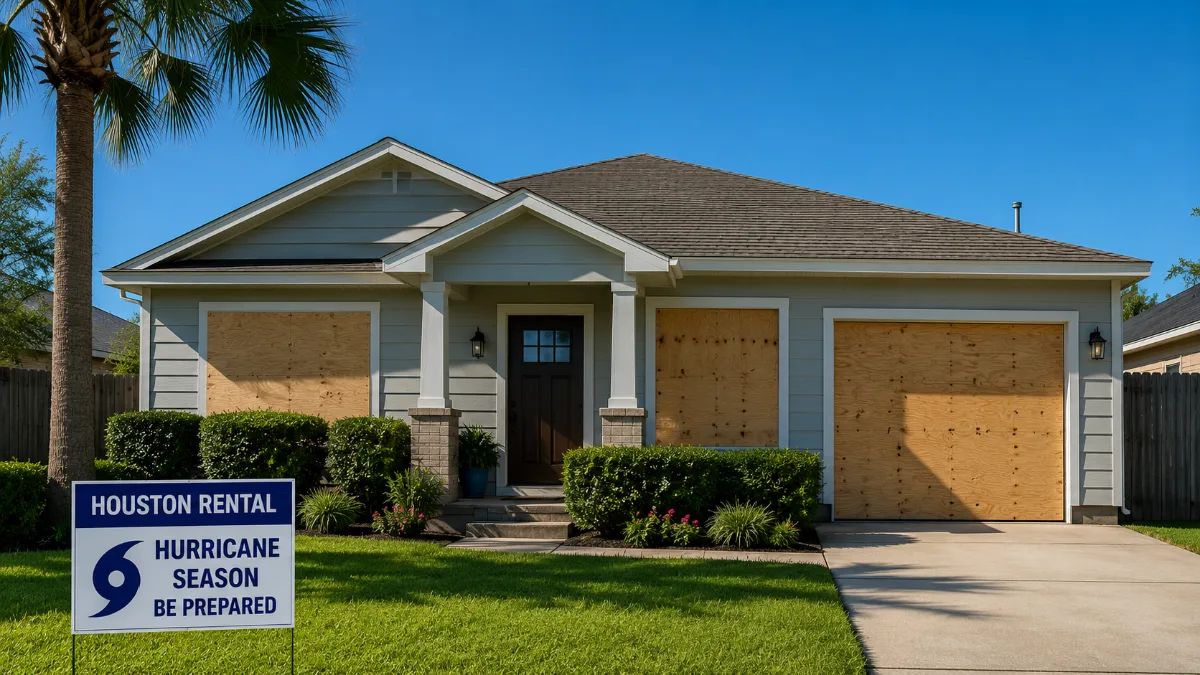
Every Houston rental owner learns the same lesson eventually: on the Gulf Coast, hurricane season is not an “if,” it is a “when.” Between Hurricane Harvey’s catastrophic flooding, Hurricane Beryl’s wind damage, and the derecho events that have battered the region, Houston-area landlords carry more storm risk than almost anywhere in the country. The good news is that most storm damage that turns into a five-figure claim starts as a small, preventable weakness. This is your 2026 storm-readiness checklist, built specifically for Houston and Harris County rental owners.
A quick note: this article is general guidance, not legal or insurance advice. Confirm coverage details with your agent and follow official Harris County and City of Houston emergency orders.
Start before June 1: your pre-season foundation
The Atlantic hurricane season officially opens June 1 and runs through November 30, with the Texas Gulf Coast usually seeing its most dangerous activity from August through October. That means your prep work should be finished, not started, by the time the first advisory hits the National Hurricane Center(opens in new tab). Build a simple pre-season routine you repeat every spring:
- Confirm your insurance is current (more on that below).
- Complete a professional property inspection.
- Assemble digital records of the property’s condition.
- Update tenant emergency contacts and communication templates.
Block one weekend in April or early May every year for storm prep. Doing the work when the sky is clear is far cheaper than scrambling when a Category 3 is 48 hours out in the Gulf.
Harden the roof and building envelope
Wind-driven rain is what turns a survivable storm into a gutted interior. Your roof and the building envelope are the front line.
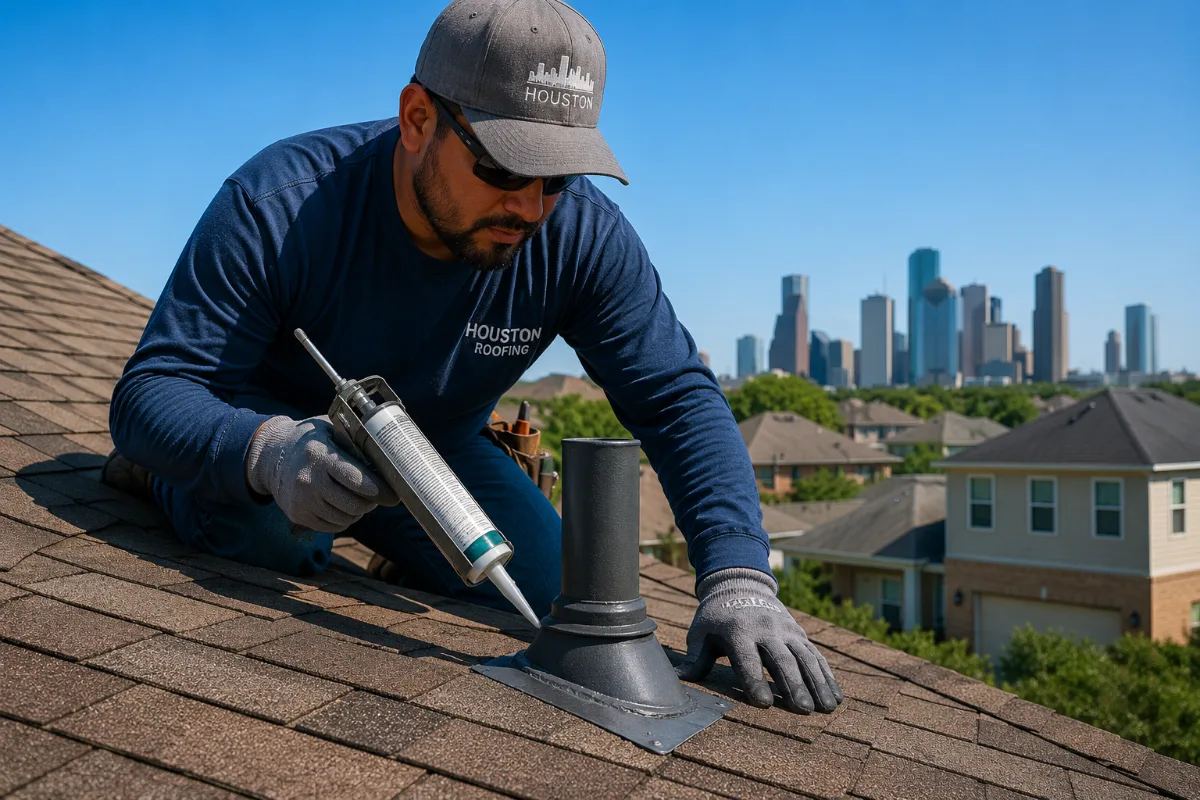
Roof. Have a licensed roofer inspect the roof each spring. Replace loose or missing shingles, reseal flashing around vents and chimneys, and secure any roof-mounted equipment. If the roof is near the end of its life, budget the replacement before, not after, a claim.
Windows and doors. Install or stage plywood or storm panels for larger windows, and confirm that exterior doors and garage doors seal and latch. Garage doors are a common failure point; a blown-in garage door can pressurize a house and lift the roof.
Trees and gutters. Trim limbs that overhang the roof or could fall on the structure. Clear gutters and downspouts so water drains away from the foundation instead of pooling against the slab.
Nail down flood and windstorm insurance
This is the section that saves Houston landlords the most money, so read it twice. A standard landlord (dwelling) policy typically excludes flood damage, and large parts of the Houston metro sit in or near flood-prone zones. If your only coverage is a standard policy, a Harvey-style event could leave you personally absorbing the loss.
- Flood insurance. Most Houston rental owners need a separate policy through FEMA’s National Flood Insurance Program or a private flood carrier. Note the typical 30-day waiting period, which is exactly why you buy it in spring, not when a storm is named.
- Windstorm coverage. Depending on your policy and location, wind and hail may be a separate deductible or rider. Confirm it is in force.
- Loss of rents. Ask your agent about fair-rental-value or loss-of-rents coverage, which can replace income while a damaged unit is uninhabitable.
“I have insurance” and “I have flood insurance” are two very different statements in Houston. Call your agent every spring and get your flood and windstorm coverage confirmed in writing.
Document the property before the storm
Insurance disputes are won and lost on documentation. Before hurricane season, walk the property with your phone and capture time-stamped photos and video of the roof, exterior, interior rooms, major systems (HVAC, water heater, electrical panel) and appliances. Store these in the cloud, not just on the device. If you later file a claim, this baseline is your proof of pre-storm condition. Keep copies of your lease, insurance declarations, and vendor contacts in the same folder so everything is one tap away if you evacuate.
Communicate clearly with your tenants
Your tenants are not just occupants during a storm; they are your eyes on the property and a real safety responsibility. Well before a storm, send every tenant a written hurricane notice that includes:
- Your emergency contact number and how to report damage.
- A reminder to follow official Harris County and City of Houston evacuation orders, and to never wait out a mandatory evacuation.
- Simple instructions for shutting off water or gas only if the authorities direct it.
- A reminder that renters’ insurance protects their personal belongings, which your policy does not.
- Where to find local alerts (sign up for regional emergency notifications and monitor the National Hurricane Center).
Keeping tenants informed also protects you legally. Texas landlords have habitability obligations, and clear communication plus prompt post-storm repairs is part of meeting them. For a fuller picture of your responsibilities, review Texas landlord-tenant law before the season starts.
Have a post-storm inspection and repair plan
When the storm passes, wait until officials confirm it is safe to return. Then move quickly and methodically:
- Document first. Photograph and video all damage before you clean up or make repairs.
- Address safety hazards. Downed lines, gas smells, and structural damage come first; keep tenants clear until resolved.
- Stop water intrusion fast. Houston’s heat and humidity mean mold can take hold within 24 to 48 hours. Dry out affected areas immediately.
- File claims promptly and keep every receipt for emergency or temporary repairs.
- Prioritize habitability repairs so displaced tenants can return as soon as it is safe.
Having a pre-vetted list of licensed roofers, water-mitigation crews and general contractors before the season means you are not competing with thousands of other owners for the same phone number after landfall.
Build a simple emergency kit and shut-off plan
Two more low-cost items round out a Houston landlord’s readiness. First, know exactly where the property’s main water shut-off, gas shut-off and electrical panel are, and make sure your tenants do too; a burst supply line or roof leak does far less damage when someone can kill the water in seconds. Label them if needed and include a photo in your tenant hurricane notice.
Second, keep a basic supply kit staged for any owner-occupied or self-managed unit and encourage tenants to keep their own: bottled water for several days, flashlights and batteries, a battery or hand-crank radio, phone chargers or power banks, and copies of important documents in a waterproof bag. Ready.gov’s hurricane guidance has a full recommended list. None of this is expensive, and after a storm knocks out power across the Houston grid, as Beryl did, these small preparations make the difference between an inconvenience and a crisis.
Know your flood zone and elevation
Not every Houston rental carries the same flood risk. Before the season, look up the property’s FEMA flood zone and, if available, its elevation and past flood history. Homes in or near mapped floodplains, or those that took on water in prior storms, warrant extra attention: elevated appliances and electrical, backflow prevention, and a lower tolerance for delaying the flood policy. Knowing your zone also helps you set realistic expectations with tenants about evacuation and about what your insurance will and will not cover.
Let a local team carry the storm-season load
Storm prep is exactly where a Houston-based property manager earns its keep: annual inspections, insurance coordination, documentation, 24/7 tenant communication, and a bench of vetted emergency vendors, all handled for you.
Texas Lone Star Property Management helps Houston rental owners prepare for, weather, and recover from Gulf Coast storms. Talk to our Houston team(opens in new tab) about a pre-season readiness review for your rentals.
Frequently Asked Questions
When does hurricane season start on the Texas Gulf Coast?
The Atlantic hurricane season runs from June 1 through November 30, with peak activity for the Texas Gulf Coast typically from August through October. Houston landlords should have their storm-readiness checklist done before June 1, since named systems can form early.
How do I prepare my roof for hurricane season in Houston?
Schedule a professional roof inspection in spring, replace any loose or missing shingles, clear and secure gutters, trim overhanging tree limbs, and check that flashing and roof vents are sealed. A sound roof is the single biggest defense against wind-driven rain damage in a Gulf Coast storm.
Does standard landlord insurance cover hurricane flood damage in Houston?
Usually not. Standard landlord (dwelling) policies typically exclude flood, and much of Houston sits in flood-prone areas. Most Houston rental owners need a separate flood insurance policy through the National Flood Insurance Program or a private carrier. Windstorm coverage may also be a separate rider. Confirm your exact coverage with your agent.
What should I tell my tenants before a hurricane hits?
Send a written notice with your emergency contact number, evacuation guidance tied to local Harris County orders, instructions for shutting off utilities if told to, where to report damage, and a reminder that tenants should carry their own renters insurance for personal belongings. Put it in writing and keep a copy.
What do I do right after the storm passes?
Wait until authorities say it is safe, then document everything. Photograph and video all damage before any cleanup, file insurance claims promptly, address safety hazards and water intrusion fast to prevent mold, and keep receipts for emergency repairs.


